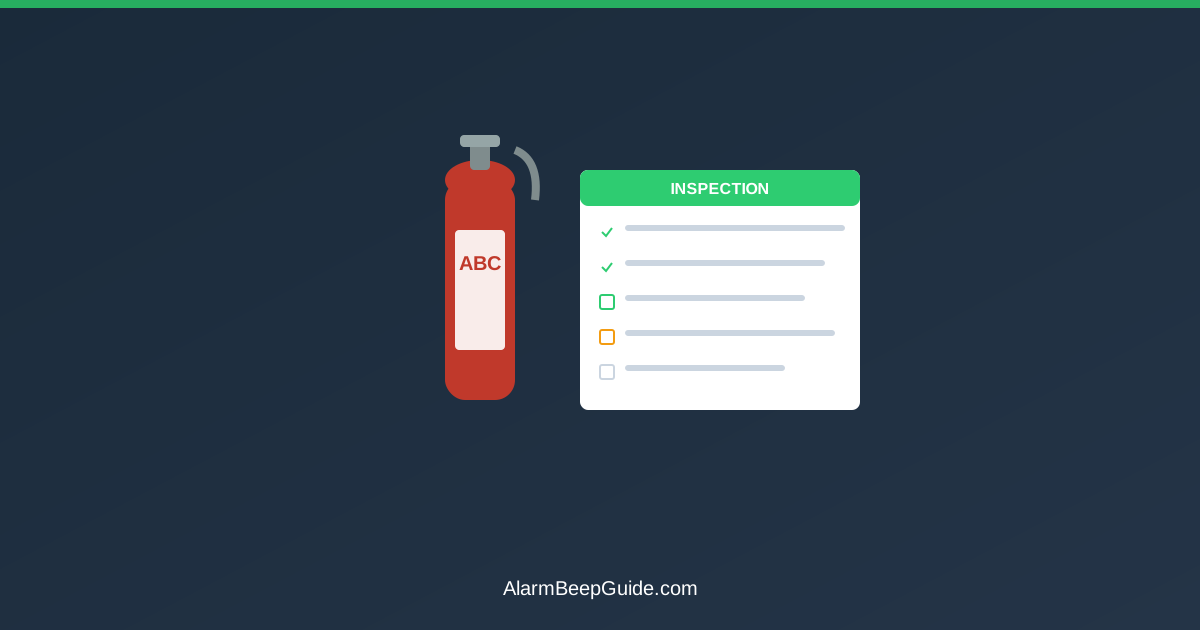
A quick inspection keeps a fire extinguisher ready when you need it. Most checks take less than two minutes and help you spot problems early. This guide gives you a simple, home-friendly checklist and explains what to do if you find an issue.
Problem Explanation
Fire extinguishers can lose pressure, get blocked, or become hard to use without anyone noticing. A quick inspection keeps small issues from turning into a failed extinguisher. The goal is not to be perfect, but to be consistent.
A monthly glance and a short annual check are enough for most homes.
If you recently bought a new extinguisher, add it to your routine right away so it does not get overlooked.
Why Inspections Matter
Extinguishers are stored for long periods. During that time, seals can age, pressure can drop, and dust can block the nozzle. A small issue is easier to fix now than during an emergency.
Routine checks also help you keep track of dates, like manufacture and service intervals.
Even small changes, like a loose bracket or a missing seal, can make an extinguisher harder to use. A quick look keeps these details from being overlooked.
Monthly Quick Check
Use this simple routine once a month:
- Confirm the extinguisher is in its usual spot.
- Make sure it is visible and easy to reach.
- Check the pressure gauge for the green zone.
- Look for obvious dents, rust, or damage.
- Verify the safety pin and tamper seal are intact.
- Check that the hose or nozzle is not blocked.
- Make sure the handle and lever move freely.
If everything looks good, you are done.
If the extinguisher is kept in a cabinet or closet, open it during the check to confirm nothing is blocking the handle or pin.
If you have more than one extinguisher, check them in the same order each month. A consistent routine helps you avoid missing one.
If your household has a main safety contact, ask them to handle the checks. Consistency matters more than who does it.
If you ever need service, most local fire equipment providers can inspect or recharge units. Keep their contact info in a safe place so you do not have to search in a hurry.
Annual Deeper Check
Once a year, add these steps:
- Wipe the extinguisher clean and remove dust from the nozzle.
- Check that the instruction label is readable.
- Lift the unit and confirm it feels full and solid.
- For rechargeable units, review the service tag if present.
- If you have multiple extinguishers, note their dates and locations.
- Gently shake dry chemical units if the label suggests it, to prevent powder packing.
- Inspect the mounting bracket for cracks or loose screws.
For businesses, a certified inspection may be required. For homes, an annual self-check is usually enough.
If you remodel a room or move appliances, recheck extinguisher access afterward. A good spot can become blocked over time.
Some people add a quick photo of each extinguisher to their phone so they can compare condition over time. This is optional, but it can make changes easier to spot.
What the Gauge Should Show
The needle should be in the green zone at room temperature. A slightly low reading in a cold garage can be normal, but it should return to green indoors.
If the gauge is cracked or foggy, the reading is not reliable. Replace or service the unit.
Record Keeping Tips
For a home, you do not need a formal log. A simple note on a phone reminder or a small sticker with the month and year is enough.
If you have multiple extinguishers, label their locations so you can check them quickly: kitchen, garage, upstairs hall, and so on.
Let household members know where extinguishers are located. A quick walk-through once or twice a year helps everyone remember the locations.
Some people tie the inspection to another monthly task, like changing HVAC filters, so it is easy to remember.
After Any Use or Drop
If you used the extinguisher, even briefly, it needs service or replacement. Partial discharges are common and can leave the gauge in green while the agent is reduced.
If the extinguisher was dropped or fell from its mount, inspect it closely for dents or handle damage. When in doubt, replace it.
Rechargeable vs Disposable Notes
Rechargeable extinguishers can be serviced and recharged. They often have metal handles and a service tag. These are good for long-term use and can be maintained for many years.
Disposable extinguishers are replaced rather than recharged. They are usually lighter and lower cost. If a disposable unit is used, out of pressure range, or older than its recommended service life, replace it.
Seasonal and Storage Considerations
If you store an extinguisher in a garage, shed, or patio closet, check it during extreme weather. Cold can lower pressure readings and heat can speed seal wear. If possible, keep at least one extinguisher in a temperature-stable area indoors.
Make sure the extinguisher is not exposed to moisture. Rust is a common reason a unit needs replacement.
If you notice dust buildup, a quick wipe helps keep the label readable and the nozzle clear.
CO2 and Specialty Units
CO2 extinguishers often do not have a pressure gauge. They are checked by weight instead. Look for a tare and full weight on the label and compare it to the current weight.
If you use a water or foam extinguisher, confirm it is intended for Class A fires only. These units should not be used on electrical or grease fires, so placement and labeling matter.
If you are unsure how to weigh a unit accurately, a service provider can do a quick check. This is especially useful for CO2 units stored in garages or workshops.
Common Problems to Watch For
- Needle in the red or yellow zone.
- Pin missing or bent.
- Tamper seal broken without explanation.
- Rust, dents, or corrosion on the cylinder.
- Clogged nozzle or damaged hose.
- Loose mounting bracket or missing handle grip.
Any of these can make the extinguisher hard to use or ineffective.
If the extinguisher is a dry chemical unit and you notice a slight rattle is gone, the powder may have settled. Some manufacturers recommend a gentle shake once a year to prevent packing.
When It’s Usually Safe to Ignore
These situations are usually routine:
- The unit is slightly dusty but otherwise intact.
- The needle sits in the green zone.
- The extinguisher feels full and the pin is intact.
- The mounting bracket is secure and not loose.
If the basics look good, a simple wipe and a note on your calendar are enough.
When It’s Worth Checking Further
It is worth checking further if:
- The gauge reads red or yellow at room temperature.
- The extinguisher feels unusually light.
- The nozzle is blocked or damaged.
- The pin is missing or the tamper seal is broken.
- The unit is past its replacement or service interval.
- The extinguisher is stored behind items that are hard to move quickly.
In these cases, replacement or professional service is the safest choice.
If you are unsure whether a unit is disposable or rechargeable, look for a service tag or a metal handle. Disposable units often have plastic handles and no service tag.
Basic Non-Technical Troubleshooting
Start with these safe steps:
- Move the extinguisher to room temperature if it was in a garage.
- Check the gauge again after 30 to 60 minutes.
- Gently clear dust from the nozzle and hose.
- Make sure the pin sits fully in place.
- If the unit was ever used, plan to replace or service it.
- If the gauge needle appears stuck, compare it to another extinguisher or bring it to a service provider.
If the needle stays out of range or the unit is damaged, replace or service it promptly.
What Not to Do
- Do not test an extinguisher by spraying it briefly. That can reduce pressure and leave the unit unreliable.
- Do not paint over the label or gauge.
- Do not store it behind locked doors or in crowded cabinets.
- Do not ignore a missing pin or broken seal.
If the extinguisher looks questionable and you are unsure, replacement is usually the simplest and safest option.
Quick Checklist
- Location clear and reachable.
- Gauge in green at room temperature.
- Pin and tamper seal intact.
- No dents, rust, or leaks.
- Nozzle and hose clear.
- Label readable.
If you are unsure about any item, the safest option is to replace the extinguisher or have it inspected by a professional service provider.
For multiple units, a printed checklist on the fridge can make the routine easier.
Note the date so you know the check was done.
Keep the extinguisher visible between checks.
Related Extinguisher Guides
- Fire Extinguisher Pressure Gauge: How to Read It Correctly
- Fire Extinguisher Types Explained: ABC, BC, and K
- Fire Extinguisher Mounting Height and Placement
- When to Replace a Fire Extinguisher: 8 Critical Warning Signs
FAQ
Q: How often should I inspect a fire extinguisher? A: A quick monthly check and a deeper annual check are a good routine for most homes.
Q: What if the gauge is green but the extinguisher feels light? A: The gauge measures pressure, not the amount of agent. If it feels light or was used, replace or service it.
Q: Do I need a professional inspection for home extinguishers? A: Not usually. Professional inspections are common for businesses. Homes can use a self-check routine.
Q: Should I shake or invert a dry chemical extinguisher? A: Some manufacturers recommend a gentle shake once or twice a year to prevent powder settling. Check your label for guidance.
Q: What if the tamper seal is broken? A: If you did not break it, the extinguisher may have been used or handled. Inspect it closely and consider service or replacement.
Q: Should I keep a spare extinguisher? A: If you have multiple floors or a larger home, a spare can be useful. Store it in a visible spot and include it in your checks.
Q: Can I store an extinguisher in a closet? A: It can be stored in a closet if it is visible and easy to reach, but open storage is usually better.
Q: Should I press the test button to check it? A: Fire extinguishers do not use test buttons. Use the gauge and visual checks instead.
Q: Can I clean the extinguisher with water? A: A damp cloth is fine for the exterior, but avoid soaking labels or the gauge.
Calm Summary
A simple inspection routine keeps your fire extinguisher ready. Check the gauge, pin, and overall condition each month, and do a deeper look once a year. If the unit looks damaged or the gauge is out of range, service or replace it so you can rely on it.
Consistency matters more than perfection. A quick, regular check is the best habit.
Set a reminder and keep it simple. It is a small habit with a big payoff, and two minutes a month is enough. That is all it takes to feel done and complete.
FAQ
Do I need a professional inspection for a home extinguisher?
What if the seal is missing but the gauge is green?
Should I weigh my extinguisher?
Can I store an extinguisher under a sink?
What happens if I skip inspections?
Related Articles
- Fire Extinguisher Types Guide — Class A, B, C, K explained
- Fire Extinguisher Pressure Gauge Reading — verify the gauge is in the green
- When to Replace a Fire Extinguisher — know when to service or replace
- Fire Extinguisher Mounting Height and Placement — proper wall bracket height