A fire extinguisher pressure gauge is a quick readiness check. It tells you whether the extinguisher can discharge properly if you ever need it. This guide explains what the needle positions mean, how to read the gauge safely, and when to service or replace the unit.
Problem Explanation
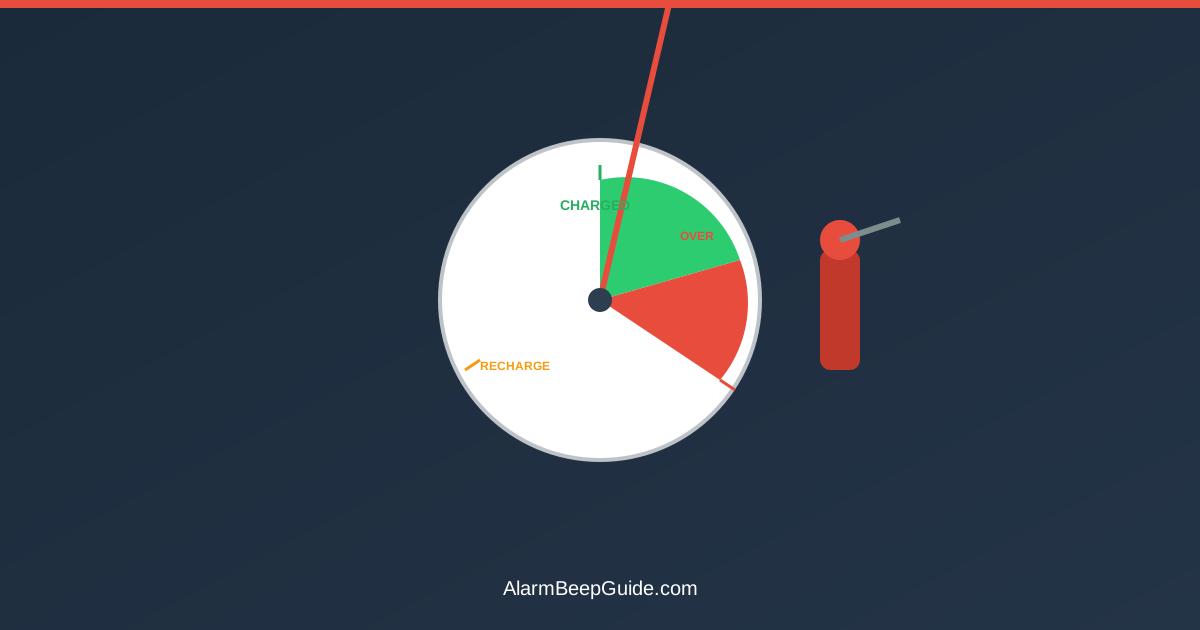
The gauge is designed to show if the extinguisher has enough pressure to push the agent out. A green needle is a good sign. A needle outside the green range means the unit may not work as expected. This is one of the simplest safety checks you can do at home.
Pressure gauges do not measure the amount of agent inside. They measure internal pressure only. That is why a green needle is necessary but not the only indicator that an extinguisher is ready.
Why Pressure Gauges Matter
A fire extinguisher is only useful if it can discharge. If pressure is too low, the agent may not spray. If pressure is too high, the seals can fail or the unit can leak over time. The gauge gives you a fast, visible way to confirm readiness.
For home use, a quick monthly check is enough for most people. Businesses often follow a stricter schedule, but the basic idea is the same: if the needle is out of range, the extinguisher needs service.
If you keep multiple extinguishers, checking all gauges at the same time helps you spot differences that might signal a problem.
The Three Gauge Zones
Green zone (ready)
The needle in the green zone indicates normal operating pressure. Most household extinguishers should be in the green when stored at a typical indoor temperature.
Red or left zone (undercharged)
A needle in the red or left zone indicates low pressure. The extinguisher may not spray or may spray weakly. This is a service or replacement situation.
Yellow or right zone (overcharged)
A needle in the yellow or right zone indicates high pressure. Overcharged units can leak or fail seals. They should be inspected and serviced.
If you must keep the extinguisher in place until service, avoid storing it near heat sources and schedule service soon. Do not try to release pressure yourself.
How to Read the Gauge Correctly
- Hold the extinguisher upright.
- Look at the gauge at eye level.
- Confirm the needle is in the green zone.
- Check that the gauge glass is clear and not cracked.
- Make sure the needle moves freely with a very light tap if it appears stuck.
If the needle is on the edge of the green, note the temperature. Cold rooms can temporarily lower the reading.
If you just transported the extinguisher, let it sit upright for a few minutes before reading the gauge. Movement can cause brief needle wobble.
Temperature Effects on Pressure
Pressure changes with temperature. A garage in winter can make the needle read low even if the extinguisher is otherwise fine. A hot attic can push the needle higher. If you store an extinguisher in an area with temperature swings, check it when the unit is closer to room temperature.
Most household models are designed for typical indoor temperatures. Extreme conditions can shorten lifespan and increase false low or high readings.
If you must keep an extinguisher in a garage, consider keeping a second unit indoors so you always have one that is stored at a stable temperature.
Common Reasons the Needle Moves
- Temperature changes in storage location.
- Slow leaks from aging seals.
- A partial discharge you did not notice.
- Damage to the valve or hose.
- A gauge that is stuck or fogged.
If you recently used the extinguisher even for a second, it needs service or replacement. A partial discharge often leaves enough pressure to keep the needle in green, but the agent amount may be reduced.
If the extinguisher was stored on its side or rolled around in a vehicle, let it sit upright before checking the gauge.
When It’s Usually Safe to Ignore
These situations are usually routine:
- The needle dips slightly below green in a cold garage and returns to green at room temperature.
- The needle briefly wobbles after moving the extinguisher and then settles in green.
- A new extinguisher shows a slightly different reading than another unit but remains in green.
- The gauge shows green but the unit is only a few months old and stored indoors.
If the needle returns to green at normal temperature and the unit looks undamaged, it is usually safe to continue using it.
When It’s Worth Checking Further
It is worth checking further if:
- The needle stays in red or yellow at room temperature.
- The gauge is cracked, foggy, or unreadable.
- The needle does not move at all and appears stuck.
- The extinguisher has rust, dents, or a damaged hose.
- The tamper seal is missing or the pin is bent.
- The unit is past its recommended service life.
These signs indicate the extinguisher may not operate correctly. Service or replacement is the safest choice.
Gauge Reading vs Extinguisher Weight
The gauge tells you pressure, not how much agent is inside. A unit can show green even if it was partially discharged in the past. If the extinguisher feels lighter than normal, it may be missing agent and should be serviced or replaced.
For disposable units, weight checks are not always listed on the label. For rechargeable units, the service tag often includes a full weight range.
Extinguishers Without Gauges
Some CO2 extinguishers do not have a pressure gauge. They are checked by weight instead. If you own a CO2 unit, look for the tare and full weight printed on the label and compare it to the current weight.
If you are unsure, a service provider can weigh and inspect the unit safely.
Service Tags and Dates
Rechargeable extinguishers often have service tags with dates for inspection, recharge, and hydrostatic testing. If your tag shows an overdue service date, schedule service even if the gauge is in green.
Disposable extinguishers do not get recharged. If the gauge is out of range or the unit is old, replacement is the typical path.
Common Gauge Mistakes
These small errors can lead to confusing readings:
- Reading the gauge while the extinguisher is tilted.
- Checking it immediately after moving it from a cold or hot area.
- Assuming a green needle means the extinguisher is full.
- Ignoring a foggy or cracked gauge window.
If you avoid these mistakes, your monthly check will be more reliable.
Age and Lifespan Considerations
Even if the gauge stays in green, extinguishers have service lives. Disposable units are typically replaced at the manufacturer recommended interval, often around 10 to 12 years. Rechargeable units can last longer but need periodic servicing and hydrostatic testing.
If you cannot read the manufacture date or service tag, it is reasonable to replace the unit for peace of mind.
The manufacture date is often stamped on the bottom or printed on the label. If the label is missing or unreadable, replacement is the safest option.
Disposal Basics
When an extinguisher is expired or damaged, do not throw it in the regular trash while it is pressurized. Many fire departments, recycling centers, or hazardous waste programs can advise on disposal.
If the unit is empty and the label allows it, you can remove the head and recycle the metal cylinder. Follow local guidance.
If you are unsure about disposal steps, call your local recycling center and ask for guidance. They can point you to the safest option.
Basic Non-Technical Troubleshooting
Start with these safe checks:
- Bring the extinguisher to a room-temperature area.
- Verify the needle position after 30 to 60 minutes.
- Inspect the hose, pin, and tamper seal.
- Check for rust, dents, or corrosion on the cylinder.
- Confirm the instruction label is readable.
- If the unit was ever used, plan to replace or recharge it.
- If you have a CO2 unit without a gauge, compare its current weight to the label.
If the needle remains out of range or the gauge is damaged, replace the extinguisher or take it to a certified service provider.
What Service Typically Includes
A certified technician may check the gauge accuracy, inspect seals, and verify the weight. Rechargeable units can be depressurized, refilled, and tested for leaks. Some units also require periodic hydrostatic testing to confirm the cylinder is still safe.
If the cost of service is close to the price of a new disposable unit, replacement is often the simpler choice.
Quick Checklist
- Needle in green at room temperature.
- Gauge glass clear and readable.
- Pin and tamper seal intact.
- No dents, rust, or leaks.
- Hose and nozzle clear and secure.
- Mounting bracket secure and extinguisher stored upright.
- Check date noted for quick reference.
Related Extinguisher Guides
- Fire Extinguisher Types Explained: ABC, BC, and K
- Fire Extinguisher Inspection Checklist
- Fire Extinguisher Mounting Height and Placement
- When to Replace a Fire Extinguisher: 8 Critical Warning Signs
FAQ
Q: What does it mean if the needle is in the red? A: It means the extinguisher is undercharged and may not spray properly. Service or replacement is the safest option.
Q: Can I recharge a fire extinguisher myself? A: No. Recharging requires specialized equipment. Use a certified service provider.
Q: Why is the needle low in winter? A: Cold temperatures can lower pressure. Let the unit warm to room temperature and recheck the gauge.
Q: The gauge is green, but the extinguisher feels light. Is it still OK? A: The gauge measures pressure, not agent amount. If the unit feels unusually light or was used before, replace or service it.
Q: How often should I check the gauge? A: A quick monthly glance is a good routine for most homes.
Q: What if the gauge is foggy or cracked? A: Replace or service the extinguisher. A damaged gauge is not reliable.
Q: Should I tap the gauge if the needle looks stuck? A: A very light tap can free a stuck needle, but if it does not move, the gauge may be faulty and the unit should be serviced.
Q: How long should I wait before rechecking a cold extinguisher? A: Give it 30 to 60 minutes at room temperature, then check the gauge again.
Q: My extinguisher has no gauge. Is that normal? A: Some CO2 units have no gauge and are checked by weight. Look for weight markings on the label or consult a service provider.
Q: The gauge is green but the pin is missing. What should I do? A: A missing pin means the unit may have been used or tampered with. Inspect it closely and consider replacement.
Calm Summary
A pressure gauge is the simplest readiness check for a fire extinguisher. Keep the needle in the green zone at room temperature, and inspect for damage. If the needle is out of range or the gauge is unreadable, service or replace the unit so it is ready when you need it.
A quick monthly check is usually enough to stay on track.
It only takes a minute.
Simple.
FAQ
Can I recharge my fire extinguisher myself?
How often should I check my fire extinguisher pressure gauge?
Related Articles
- Fire Extinguisher Types Guide — matching type to fire hazard
- Fire Extinguisher Inspection Checklist — full inspection procedure
- When to Replace a Fire Extinguisher — signs it is time for a new unit