You are not alone if a smoke alarm chirp wakes you up and leaves you wondering if it is just a battery or the whole alarm. Most people only think about smoke detectors when they make noise, but these devices have a real lifespan even when they seem fine. This guide gives you a clear answer and a calm path forward.
Here is the short version: most modern smoke alarms are designed to last about 7 to 10 years. The exact timing depends on the sensor type, whether the battery is sealed, and what the manufacturer specifies. A test button cannot tell you how much sensor life remains.
The short answer most people need
Most smoke alarms last about 7 to 10 years. If your alarm is older than that, it is time to replace it even if the test button still works. The test button checks sound and power, not the sensor accuracy.
If you cannot confirm the age, a safe rule is to replace any smoke alarm that has been installed for a decade or more. This is especially important if the alarm has started to chirp and a fresh battery does not stop it.
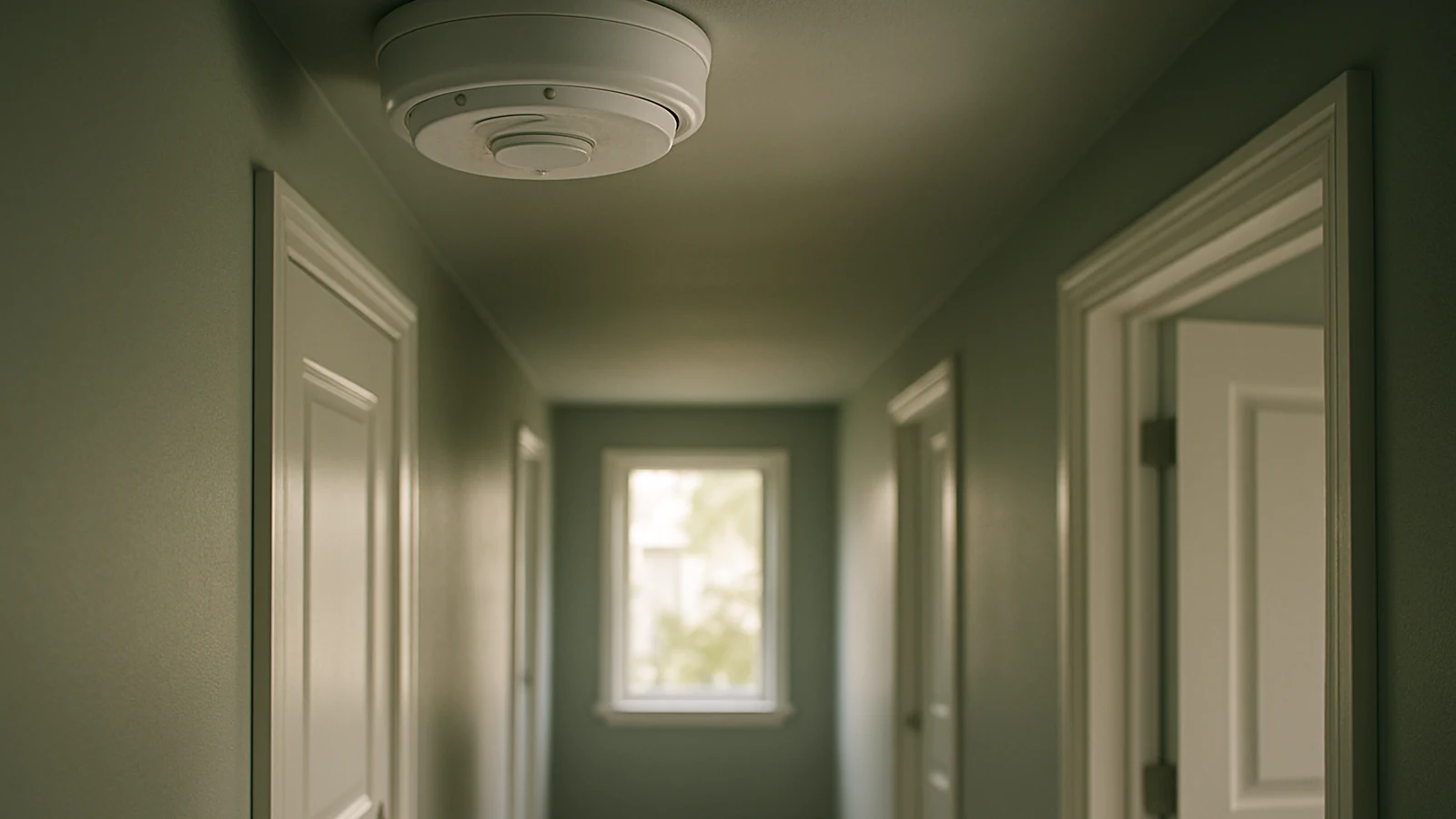
If you want a quick check, remove the alarm from the bracket and look for the manufacture date. You do not need tools for this. It is usually printed on the back or inside the battery door.
Why smoke alarms age out even if they still beep
Smoke alarms are built around sensors that detect tiny particles in the air. Over time, those sensors become less reliable. This is not a defect or a flaw. It is normal aging, the same way a thermostat can drift or a filter can clog.
The test button only checks that the alarm has power and can make sound. It does not fully test the smoke sensor. That means an old alarm can pass a test while still being less sensitive than it should be.
There is also a safety tradeoff. If a sensor becomes too sensitive, it can trigger false alarms. If it becomes less sensitive, it can detect smoke later than it should. Either way, the alarm is no longer in its ideal working range.
Aging is invisible. You cannot see it, and you cannot fix it with a new battery. That is why replacement timelines exist.
What affects lifespan beyond the calendar
The calendar is the main guide, but the environment can speed up aging. A smoke alarm in a steamy bathroom or above a kitchen can collect residue faster than one in a quiet hallway. That extra residue can lead to false alarms and earlier sensor drift.
Dust is another factor. If your home has pets, heavy HVAC use, or renovation dust, alarms can accumulate debris in the sensing chamber. This does not always shorten the official lifespan, but it can make the alarm less reliable sooner.
Temperature swings also matter. Garages and attics can see big changes in temperature and humidity, which can stress sensors and batteries. If you have alarms in these areas, check them more often and keep a close eye on the manufacture date.
None of this changes the basic timeline, but it helps explain why some alarms start acting up earlier than others. If you notice frequent false alarms, it may be a sign to replace sooner or move the alarm to a better spot.
7-year vs 10-year models: what is actually different

You will generally see two broad timelines: about 7 years or about 10 years. The number depends on the sensor type and how the manufacturer rated the unit.
In practice, the biggest difference you will notice is the power setup. Many 10-year alarms use sealed batteries and are designed to be replaced as a complete unit. Many 7-year alarms use replaceable batteries, but the sensor still ages even if you keep changing the battery.
Do not assume a 10-year label means the alarm is better in every way. It simply means it is designed for a longer service life. You still need to replace it when it reaches end of life.
If you are deciding between models, the more important question is whether you will remember to replace it when the time comes. A 10-year sealed model is convenient because it reduces annual battery changes, but it still needs replacement at end of life.
Sealed battery vs replaceable battery: what changes
A sealed 10-year alarm has a built-in battery. You do not open a battery door. When it reaches end of life, the correct fix is replacement, not a battery change. These alarms are popular because they reduce maintenance.
A replaceable-battery alarm uses common batteries, usually a 9-volt or AA cells. You can keep it powered easily, but the sensor still ages. If the alarm is old, a new battery will not make it a safe, like-new unit.
Both types can give low-battery chirps and end-of-life alerts. If you are not sure which you have, the label on the back will usually tell you. If it says sealed or 10-year, plan to replace the entire unit when it signals end of life.
If you have a sealed alarm that chirps after the 10-year mark, see 10-Year Sealed Battery Smoke Detector Chirping for a specific fix flow.
How to find the manufacture date on your alarm
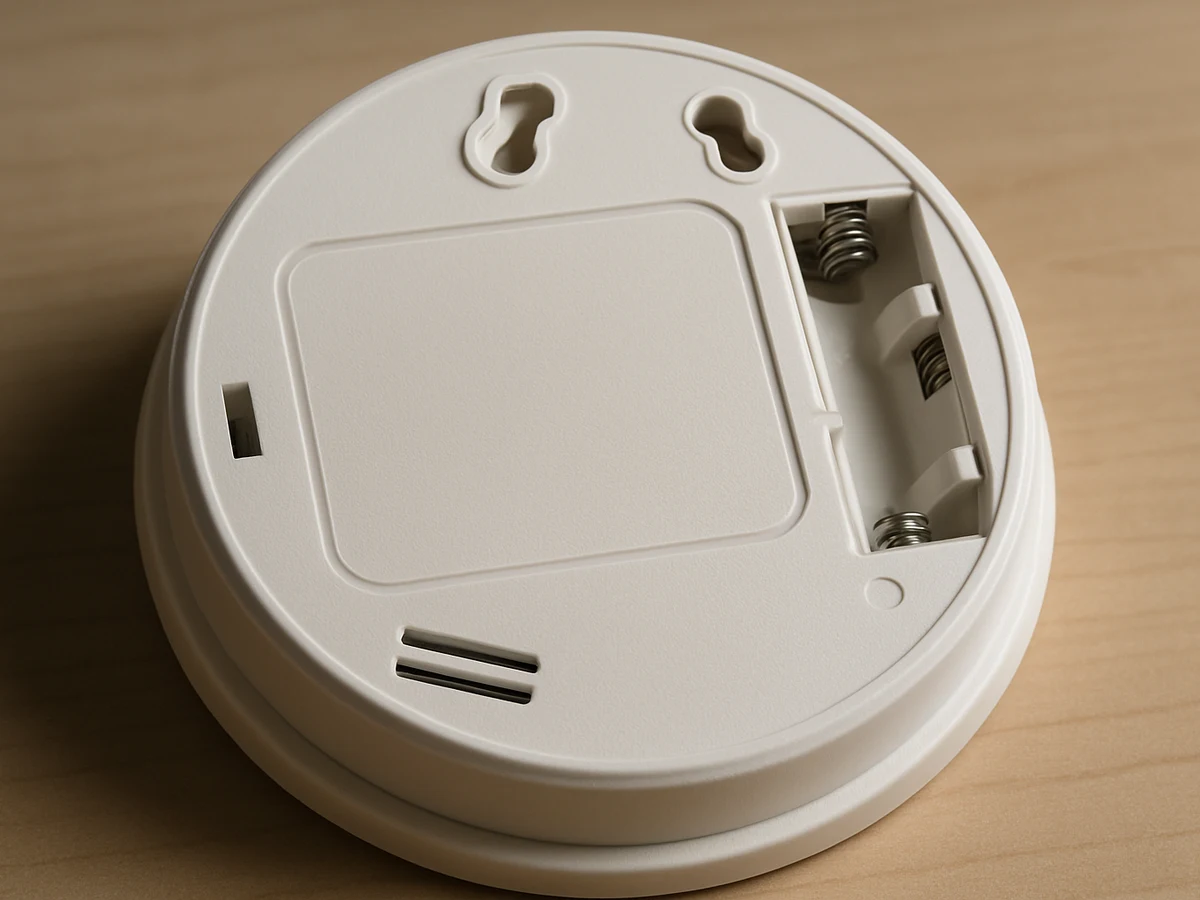
The manufacture date is the most reliable way to determine how much life is left. It is not the purchase date. A unit can sit on a shelf for a while before it is installed, so the manufacture date is what matters.
Here is where the date is usually located:
- On the back plate, near the mounting bracket.
- Inside the battery compartment.
- On the side edge of the alarm body.
If the label is missing or unreadable, treat the alarm as old. The safe path is replacement. You can also start a new install date for your home so you are never guessing again.
If you live in a rental, you can still check the date and report it to your landlord or property manager. It is a simple, concrete way to show the alarm may be past its service life.
End-of-life signals vs low-battery chirps
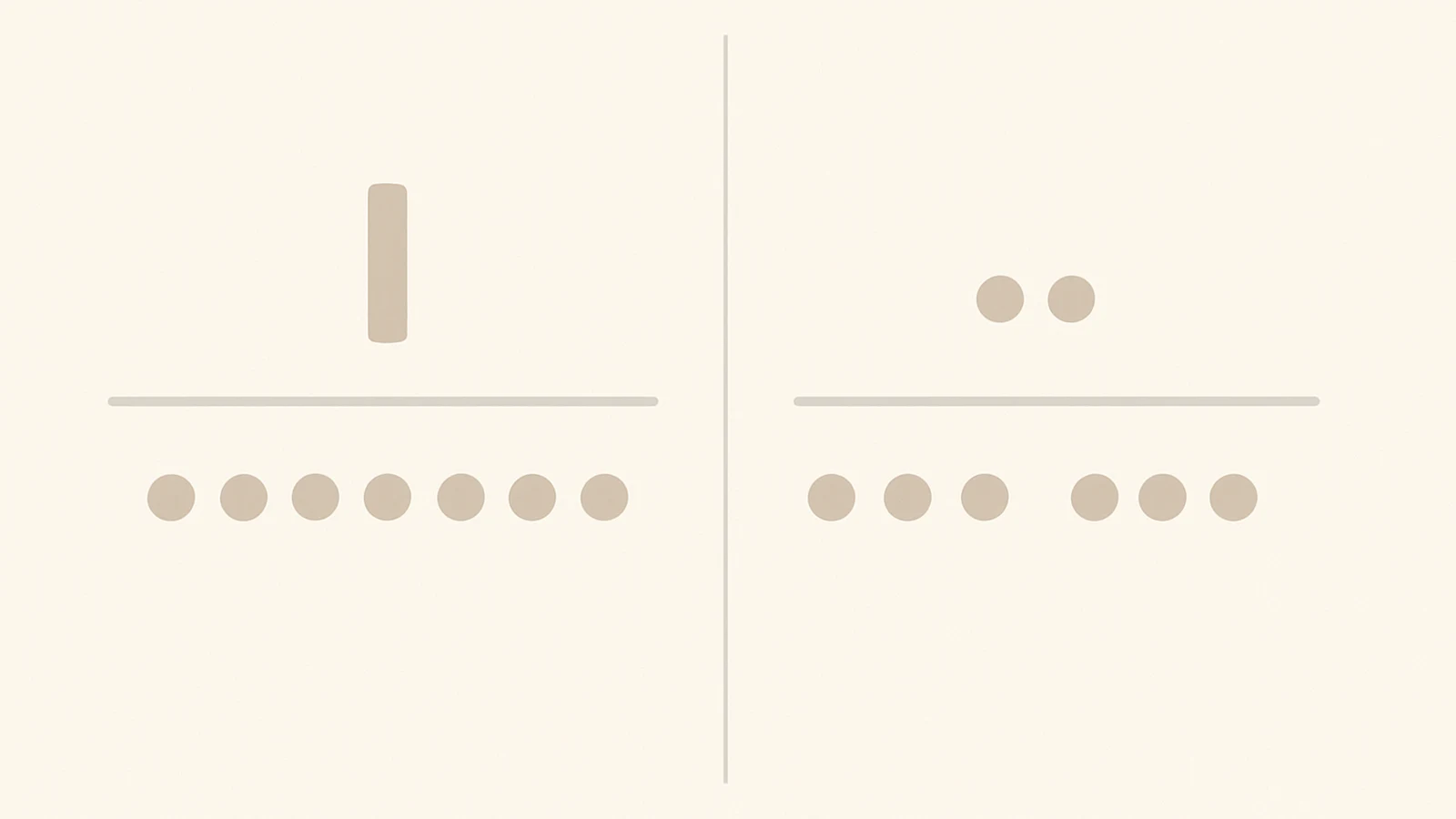
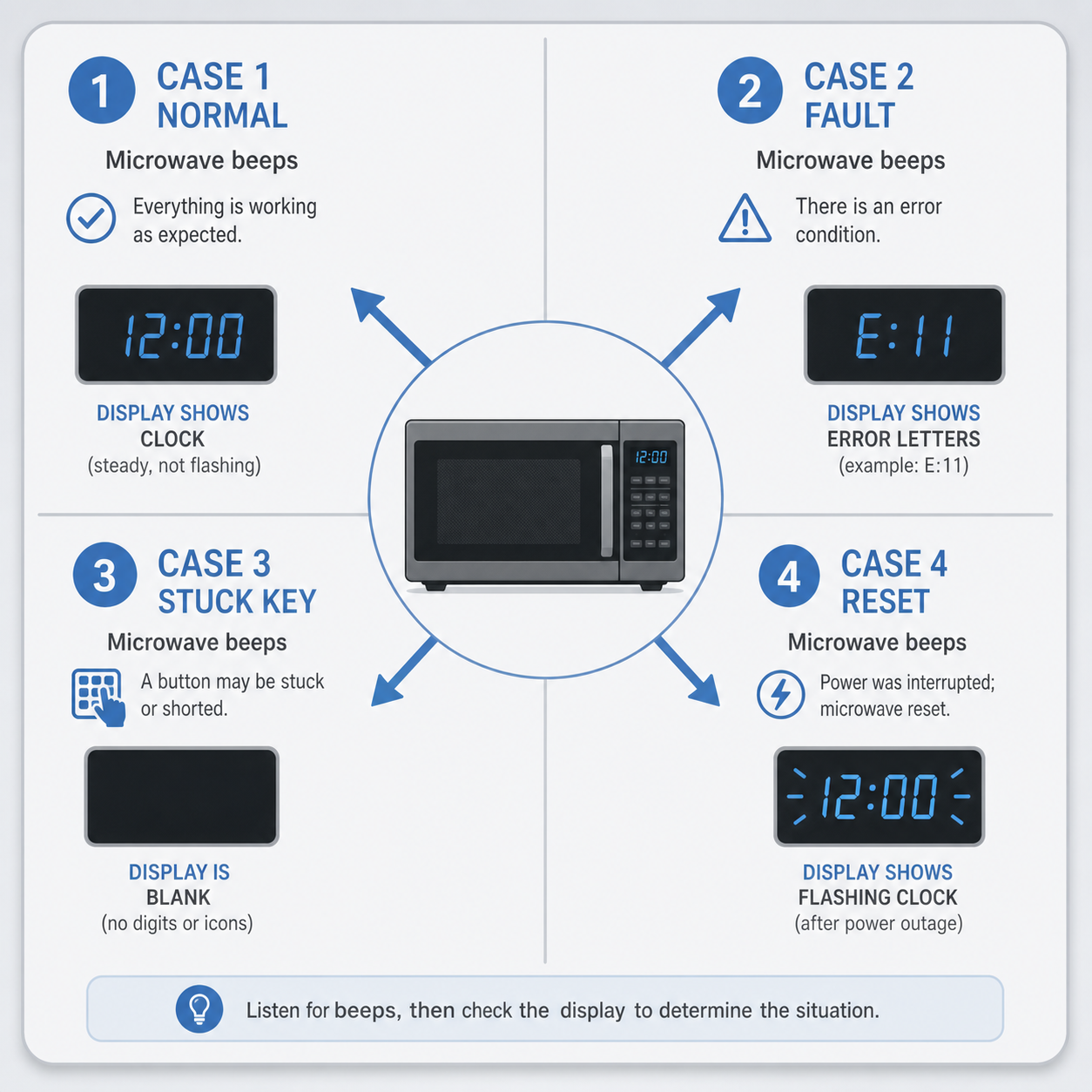
This is the most common confusion point. A low-battery chirp usually means the alarm still has sensor life left. An end-of-life signal means the sensor is aging out and the unit needs to be replaced.
Low-battery chirps are often a single chirp every 30 to 60 seconds. End-of-life alerts are often more complex. They may be a set of chirps in a row, or a repeating pattern that does not stop after a battery change.
If you replace the battery and the chirp returns quickly, check the manufacture date. If the alarm is near the end of its service life, replacement is the correct step.
For help decoding sounds, see Why Is My Smoke Detector Chirping? The Low Battery Fix and Smoke Alarm Chirping After Battery Change.
Planning replacements in homes with multiple alarms
Many homes have several alarms across bedrooms, hallways, and common areas. If you replace them one by one as they fail, you end up with a mix of ages and models, which makes future maintenance harder.
A simple approach is to replace all alarms at the same time, especially if they are close in age. This creates one clear timeline and reduces the chance of missing an older unit. It also keeps alarms consistent, which can make troubleshooting easier.
If replacing all at once is not practical, group them by floor or by install year. Keep a simple note of which alarms were replaced and when. You do not need a complex system. A note in your phone or a small home log is enough.
If you have interconnected alarms, matching ages can also reduce false triggers. When one unit goes into trouble mode, it can affect the whole system. A consistent set of new alarms can make the system more reliable overall.
Common misconceptions and calm corrections
Misconception: The test button means the alarm is fully safe. The test checks sound and power, not full sensor accuracy.
Misconception: A new battery resets the alarm lifespan. The battery only powers the alarm. The sensor still ages.
Misconception: A quiet alarm is a good alarm. Silence does not tell you the sensor is still within its safe range.
Misconception: Sealed alarms never need replacement. Sealed models are designed to be replaced as complete units at end of life.
Misconception: All alarms last exactly 10 years. Some are rated for about 7 years. Always use the label as your guide.
Safe, simple replacement checklist
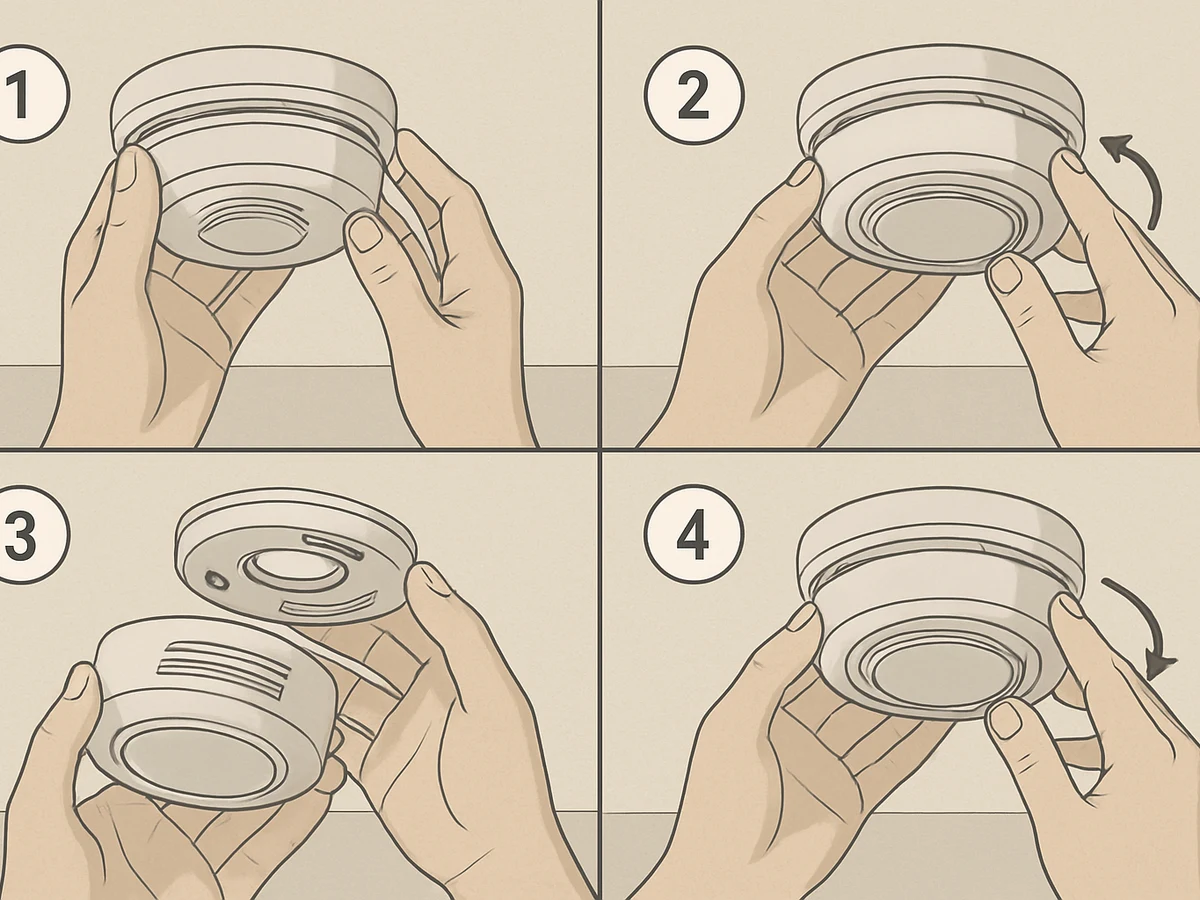
Replacing a smoke alarm is usually quick. This checklist keeps it simple and safe:
- Confirm the manufacture date and expected service life.
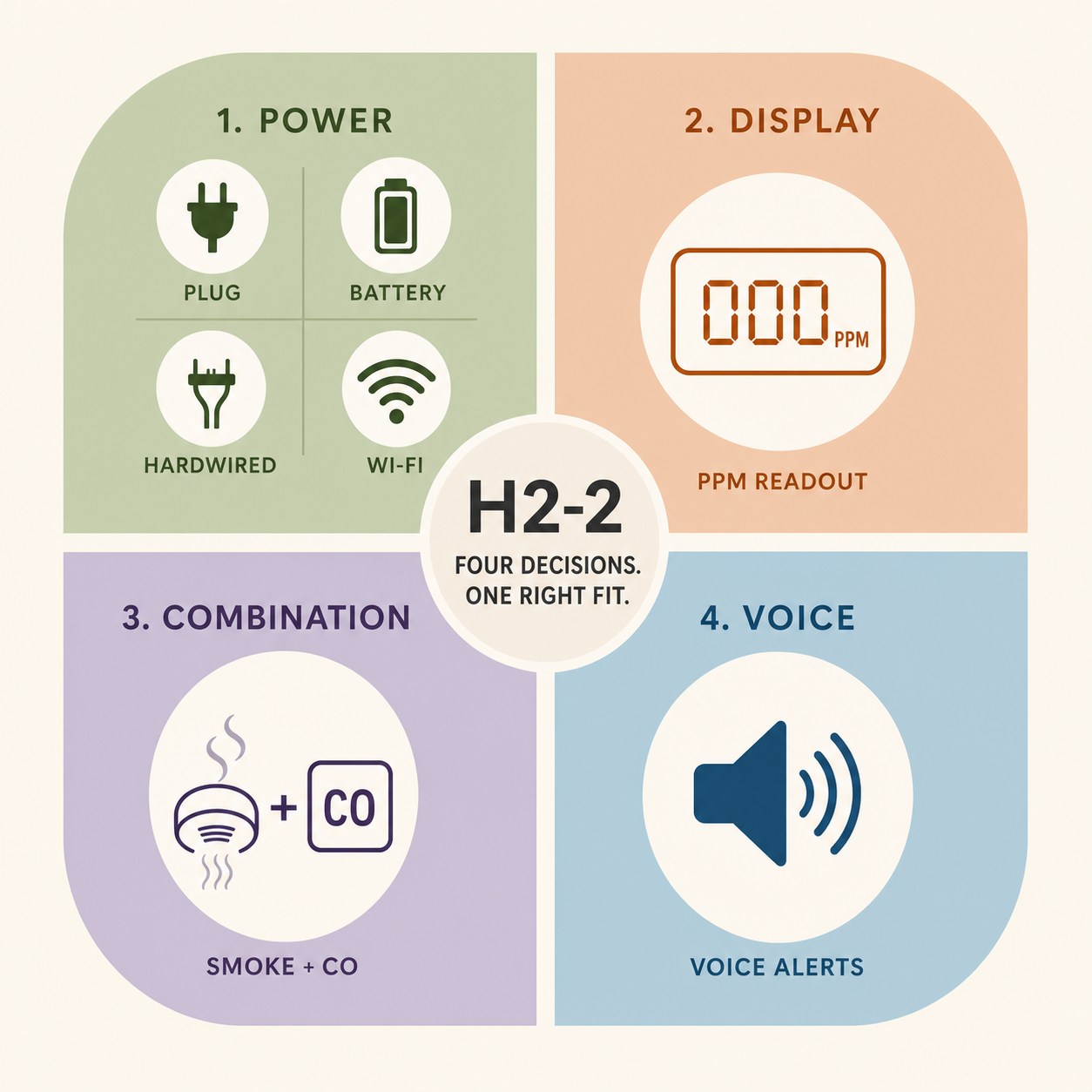
- Choose a replacement that matches your power setup (battery-only or hardwired).
- If you have a combo unit, confirm it is rated for smoke and CO.
- Install the new alarm using the existing bracket if compatible.
- Test the new alarm once installed.
- Note the installation date in your phone or a home log.
If you are not comfortable with hardwired units, a licensed professional can help. If you are unsure which alarm type you need, our guide to Best Smoke Alarms for Home Safety can help you compare options.
When to ask for help or notify your landlord
Some situations are better handled with help. If your alarm is hardwired and you are not comfortable working with wiring, it is fine to call a licensed electrician or ask building maintenance for support. The replacement is usually quick, but safety comes first.
If you rent, you should not remove alarms to silence chirps. Document the date label, the chirp pattern, and any steps you tried. Then contact your landlord or property manager with that information. It keeps the process calm and clear and helps them replace the right unit.
If the alarm is part of a larger system, like a monitored system or a building-wide setup, follow the system instructions before removing it. Some systems need a brief reset after replacement. When in doubt, ask for help. A short call now can prevent repeated chirps later.
What to do with old alarms
Most smoke alarms can be disposed of with household waste, but local rules vary. Some areas treat alarms as electronic waste. If the alarm has a sealed battery, keep it intact and follow local battery disposal guidance.
The key is not to keep old alarms in service as backups. An expired alarm can create false confidence. If you keep old alarms in a drawer, they can also create confusion later because the date label is no longer attached to the ceiling or wall.
FAQ
How long do smoke detectors last in apartments?
The same 7 to 10 year range applies. If you rent, report old alarms to your landlord or property manager so they can replace them.
Do smoke alarms expire if they are never used?
Yes. The sensor ages from normal air exposure, not just from smoke events.
Is a 10-year sealed alarm always better?
It is more convenient, but not automatically better. The most important part is replacing it at end of life.
Where can I find the alarm age if the label is missing?
If you cannot confirm the age, replacement is the safest choice. It removes guesswork.
Can I clean an old alarm to make it reliable again?
Cleaning can reduce false alarms from dust, but it does not restore sensor accuracy. Age-based replacement is still recommended.
Calm next step
If your alarm is close to the end of its service life, replacing it now avoids confusion later and keeps protection current. For more lifecycle guidance, visit Alarm Lifespan, Replacement and Maintenance. You can also compare timelines for other devices in When to Replace a Carbon Monoxide Detector.