An alarm sound is a prompt to act, not a universal code. The exact meaning can change with the device type, manufacturer, model, power source, and whether the unit detects smoke, carbon monoxide, or both. Start by identifying the device and checking its label or manual.
If the sound is loud or repeating
Treat a smoke or CO alarm as a real emergency until you know otherwise. For a CO alarm, the U.S. Consumer Product Safety Commission says to move outside to fresh air, call emergency services from outside, and stay out until responders say it is safe. For smoke alarms, follow your household fire-escape plan.
Start with the right guide
- A smoke alarm chirps: Why Is My Smoke Detector Chirping? covers safe maintenance checks after confirming there is no fire alarm.
- The chirp continued after a battery change: Use this model-aware fix flow, then check the label for the replacement date.
- A hardwired alarm chirps: Start with hardwired smoke alarm troubleshooting. Do not handle damaged wiring yourself.
- A combination smoke/CO alarm sounds: Use the combination-alarm guide and the product manual; it has more than one kind of hazard signal.
- A CO alarm has a repeating four-beep pattern: Get outside and use this emergency guide.
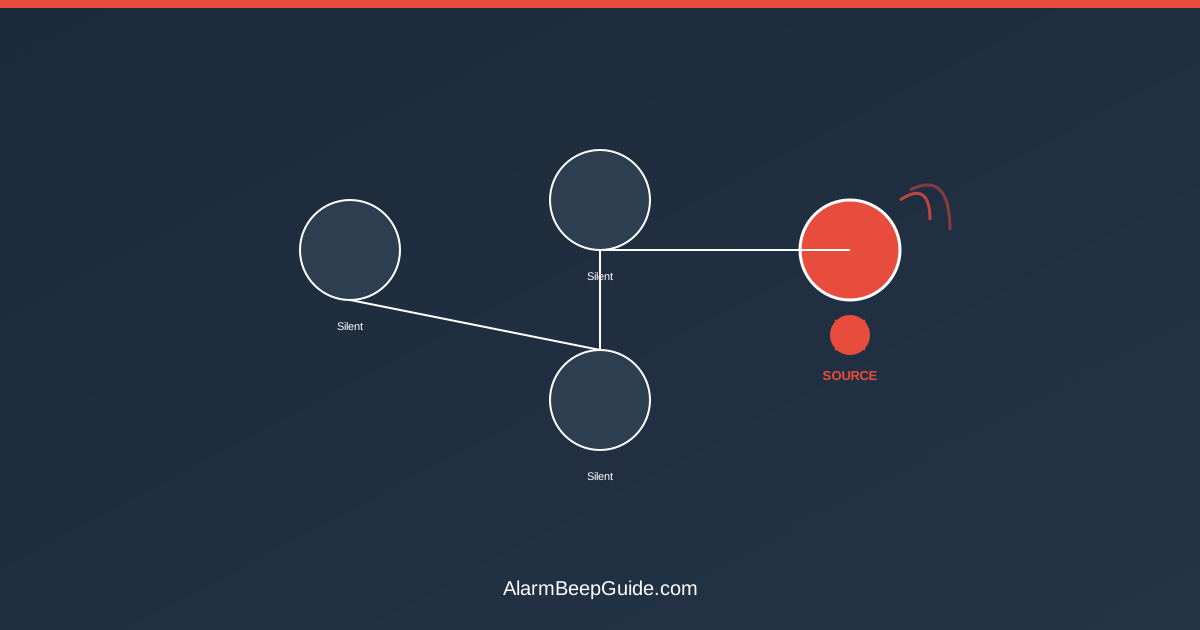
- You cannot tell which alarm is chirping: Find the source unit before replacing parts.
Check the label before taking action
The back or side label normally identifies the model, battery type, manufacture date, and whether the alarm is smoke-only, CO-only, or combination. Use the exact manufacturer instructions for reset, test, cleaning, and sound meanings. A test button checks basic circuitry; it does not identify a gas source or prove that every sensor is accurate.
Prevent the next late-night chirp
Keep alarms clean only as their manufacturer directs, test them on the stated schedule, and write down their replacement date. Browse our alarm lifespan and replacement hub for end-of-life and maintenance guidance.